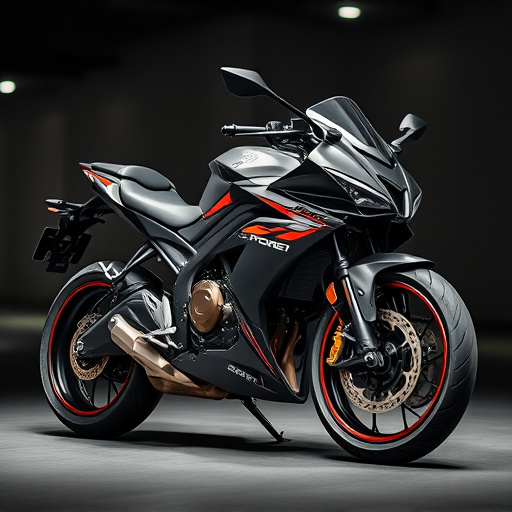
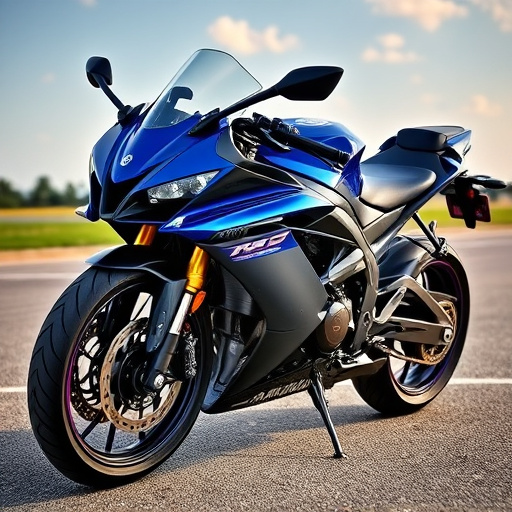
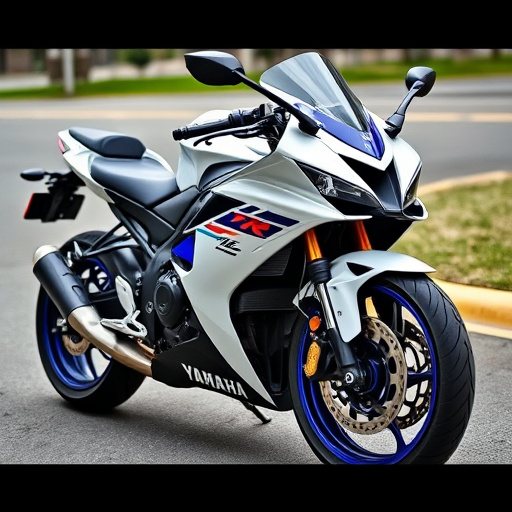
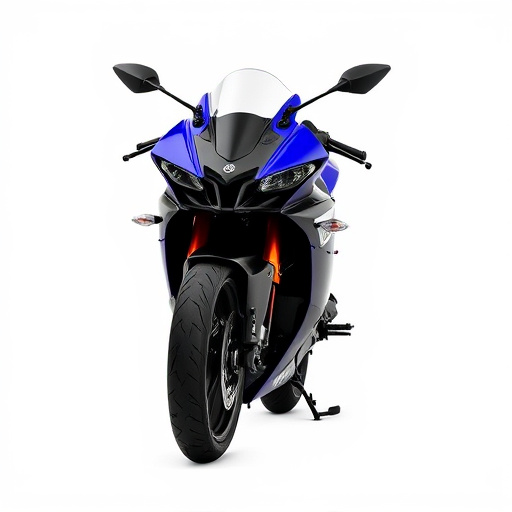
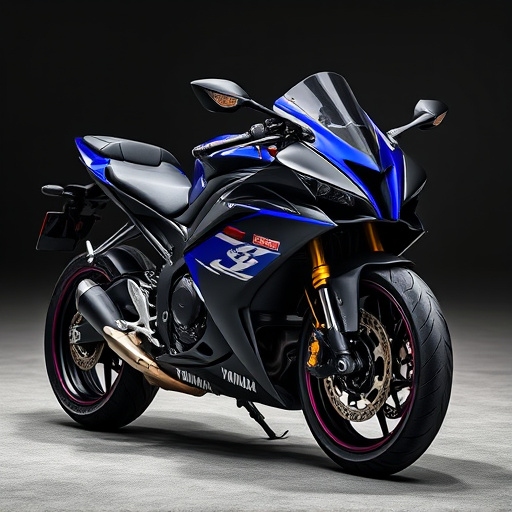
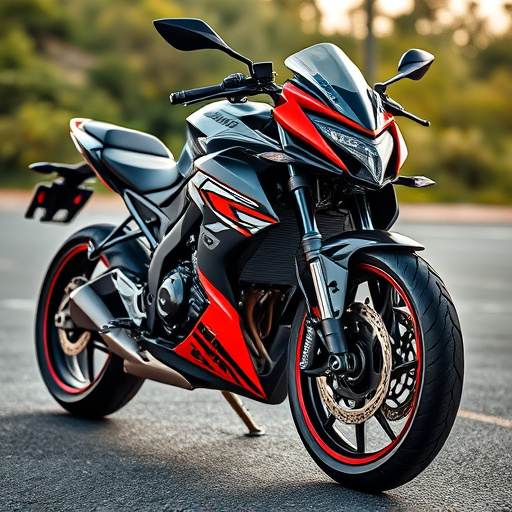
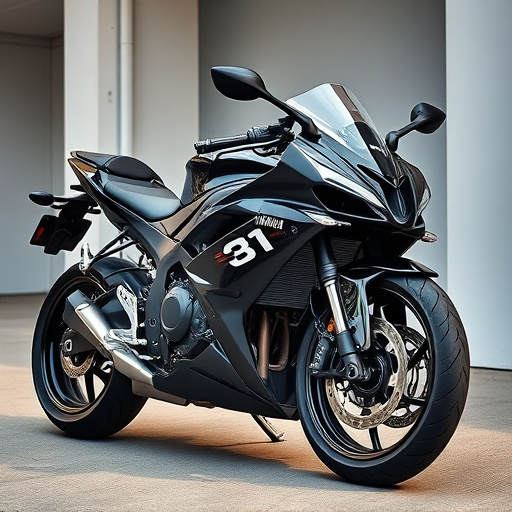
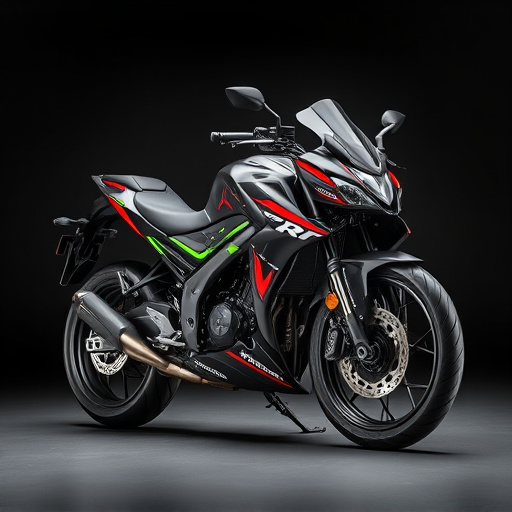
Welcome to an in-depth exploration of the remarkable Yamaha R1M, a motorcycle that has captured the hearts of enthusiasts worldwide. This article aims to provide an all-encompassing guide, delving into every facet of this iconic machine, from its technical specifications and historical significance to its global impact and future prospects. By the end, readers will grasp why Yamaha R1M stands as a pivotal innovation in the motorcycle industry.
Understanding Yamaha R1M: A Revolutionary Machine
Definition and Overview:
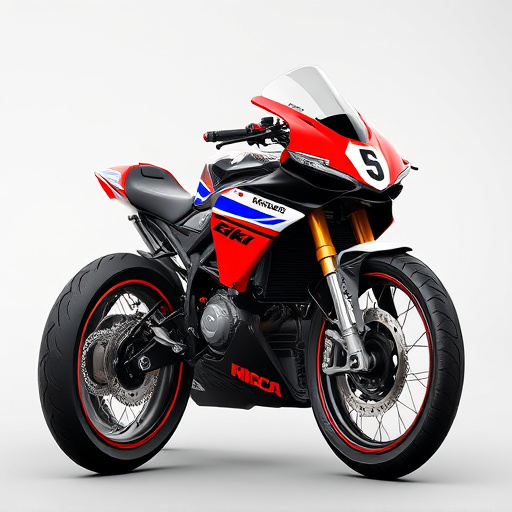
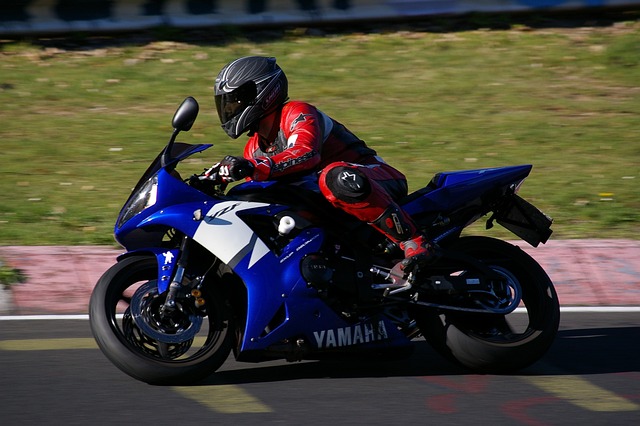
Yamaha R1M, often referred to as the “R1M Superbike,” is a high-performance sport motorcycle produced by Yamaha Motor Company. It is the track-focused variant of the popular Yamaha R1, designed for racing and offering unparalleled performance and handling. The ‘M’ in its name signifies ‘MotoGP,’ reflecting its roots in the premier championship’s technology and development.
Key Components and Design:
Engine: At the heart of the R1M lies a 998cc, parallel-twin engine, renowned for its power and agility. This mill employs advanced technologies like crossplane cylinder architecture and high-rev capability, producing approximately 200 horsepower.
Chassisframework: The bike’s lightweight yet rigid frame is crafted from aluminum, ensuring optimal weight distribution and handling precision.
Suspension: It features fully adjustable suspension systems, including a high-spec front fork and rear shock absorber, allowing riders to fine-tune the bike’s dynamics for various track conditions.
Braking System: Equip with powerful Brembo brakes, including radial calipers at the front, providing exceptional stopping power and heat dissipation.
Ergonomics: R1M offers a sport-oriented riding position, designed to enhance rider agility and feedback from the bike.
Historical Context:
Yamaha’s entry into the superbike market in the early 2010s marked a significant shift, challenging long-standing rivals like Honda and Kawasaki. The R1M, launched in 2015, solidified Yamaha’s position as a formidable player, blending cutting-edge technology with a racing pedigree.
Significance:
R1M represents the pinnacle of Yamaha’s motorcycle engineering, pushing performance boundaries while maintaining rider safety and control. It has inspired a new generation of track-day enthusiasts and competitive racers alike.
Global Impact and Trends
International Presence:
Yamaha R1M’s impact extends far beyond Japan, with significant adoption and modifications across Europe, North America, and Asia. Its popularity is evident in the diverse range of racing series it dominates, from local club races to international championships.
Regional Variations:
Europe: Known for its demanding track environments, European riders have embraced the R1M’s precision handling and powerful engine. Customization trends here often focus on enhancing braking performance and suspension setup.
North America: Here, the R1M has gained a reputation for reliability and consistent performance. Mods tend to prioritize power increases and exhaust systems tailored to local regulations.
Asia: With its bustling racing culture, Asian riders have embraced the R1M’s agility and competitive nature. Customizations often revolve around weight reduction and aerodynamic enhancements.
Global Trends Shaping Yamaha R1M:
Technology Integration: The rise of ride-by-wire systems, advanced ECUs, and data analytics has allowed riders to fine-tune their R1Ms for specific tracks and weather conditions.
Electric Motorcycles: While not directly related, the growing interest in electric bikes could influence future iterations of R1M, potentially integrating hybrid or fully electric powertrains.
Remote Racing and Tracking: With advancements in technology, online racing communities have formed, enabling riders to compete virtually against R1Ms worldwide, fostering a global racing culture.
Economic Considerations
Market Dynamics:
Yamaha R1M operates within a competitive market dominated by established brands like Honda, Kawasaki, and Ducati. Its pricing strategy positions it as a premium offering, attracting passionate riders willing to invest in top-tier performance.
Investment Patterns:
Initial Purchase: The bike’s high-end nature encourages significant upfront investment, with prices often exceeding $20,000 USD, depending on specifications and regional variations.
Maintenance and Upgrades: Regular maintenance costs can vary widely based on usage and riding style. Customization and performance upgrades are common, adding to the long-term economic commitment.
Economic Impact:
Sales Figures: While specific sales data is not publicly disclosed, Yamaha’s global presence suggests a substantial impact on the economy through direct sales and related industries like accessories and after-market tuning.
Employment: The manufacturing and development of R1M contribute to local employment, especially in Yamaha’s home region of Japan and key production facilities worldwide.
Technological Advancements
Engine Innovation:
Crossplane Engine: One of the most notable technological features is Yamaha’s proprietary crossplane engine design, which offers a unique power delivery characterized by high revs and linear torque. This design has become a signature of Yamaha’s racing machinery.
Power Delivery: The engine’s ability to produce peak power at high RPMs (around 15,000+) sets it apart from competitors, providing an exhilarating riding experience.
Electronic Controls and Safety:
Ride-by-Wire: This technology allows precise control of the throttle, enabling riders to fine-tune acceleration and cornering. It also facilitates advanced ride modes and mapping for various track conditions.
ABS and Traction Control: Standard ABS and traction control systems enhance safety by preventing wheel spin and improving rider confidence, especially in challenging corners.
Data Analytics: Modern R1Ms are equipped with telemetry systems that record and analyze riding data, helping riders improve their skills and identify areas for customization.
Future Potential:
Hybrid Systems: Yamaha could explore hybrid or electric powertrains, offering improved sustainability without compromising performance, a trend gaining traction in the automotive industry.
Connectivity: Integrating advanced connectivity features, such as smartphone integration and voice commands, could enhance the R1M’s appeal to tech-savvy riders.
AI-Assisted Tuning: Artificial intelligence algorithms could revolutionize setup adjustments, allowing bikes to self-optimize based on rider preferences and track conditions.
Policy and Regulation
Government Regulations:
Emissions Standards: Yamaha R1M must comply with strict emissions regulations in various regions, impacting engine tuning and fuel efficiency.
Safety Standards: Rigorous safety standards dictate the installation of advanced braking systems, protective gear, and impact-absorbing design elements on racing machinery.
Industry Self-Regulation:
Motorcycle Associations: Organizations like FIM (Federation Internationale de Motocyclisme) govern international racing events, setting rules for competition, safety, and fair play.
Local Motorsport Authorities: Regional bodies oversee local racing series, ensuring adherence to specific regulations and fostering a structured competitive environment.
Impact on Development:
Manufacturers must balance innovation with regulatory compliance, sometimes leading to trade-offs in performance or design.
Regulations encourage the development of safer and more sustainable technologies, benefiting both racing and road-going motorcycles.
Challenges and Criticisms
Common Issues:
High Cost: The R1M’s premium pricing has attracted criticism from some riders who consider it out of reach for casual enthusiasts.
Maintenance Complexity: Its advanced technology requires specialized knowledge and facilities for servicing, potentially limiting accessibility.
Limited Daily Use: Designed primarily for track use, the R1M may not be ideal for long-distance travel or daily commuting due to its performance-focused nature.
Proposed Solutions:
Yamaha could offer more affordable customization options and after-market parts to cater to a broader range of riders.
Expanding training programs and workshops can improve accessibility to maintenance services.
Future models could incorporate features that enhance daily practicality while retaining track capabilities.
Case Studies: Real-World Applications
Case Study 1: European Track Dominance
In the European WSB (World Superbike) Championship, Yamaha R1M riders have consistently topped the podium. The bike’s precision handling and powerful engine have made it a favorite among top competitors. Rider feedback highlights the bike’s ability to provide exceptional grip and power delivery, allowing for aggressive cornering and rapid acceleration.
Case Study 2: American Club Racing
At local track days and club races across the US, R1M owners have formed dedicated communities. These enthusiasts often modify their bikes to suit individual riding styles, with a focus on handling improvements and power boosts. The bike’s reliability and consistent performance in these events showcase its versatility beyond professional racing.
Case Study 3: Asian Racing Scene
In countries like Japan and South Korea, R1M has become a symbol of speed and precision. Local racers have embraced the bike’s agility, modifying it to excel on their unique tracks. This customization culture has led to innovative solutions, such as lightweight components and advanced suspension setups, further enhancing the R1M’s performance.
Future Prospects: Looking Ahead
Emerging Trends:
Electric Racing: The rise of electric motorcycle racing could open new avenues for Yamaha, potentially leading to an all-electric R1M variant.
Remote Racing and Simulation: Virtual racing platforms will continue to grow, offering riders a way to experience the R1M’s capabilities without track time.
Growth Areas:
Global Expansion: Yamaha can further solidify its presence in regions like South America and Africa, where superbike racing is gaining traction.
Customized Solutions: Offering tailored R1M packages for specific markets and rider preferences will enhance accessibility and loyalty.
Strategic Considerations:
Sustainability: As environmental concerns grow, Yamaha may explore eco-friendly materials and power trains, ensuring the R1M’s longevity in an evolving market.
Technology Partnerships: Collaborating with tech companies can bring innovative solutions to rider interfaces and data analytics, setting new industry standards.
Conclusion: A Legacy in the Making
Yamaha R1M has left an indelible mark on the motorcycle industry, challenging conventions and inspiring a new generation of riders and engineers. Its global impact, technological advancements, and successful applications demonstrate its position as a leader in high-performance machinery. As the landscape evolves, R1M’s legacy will continue to shape the future of superbikes, ensuring that Yamaha remains at the forefront of innovation.
FAQ Section: Answering Common Queries
Q: Is the Yamaha R1M suitable for beginners?
A: While the R1M is an incredibly capable machine, it is not recommended for complete novices. Its high performance and advanced features require a certain level of skill and experience to handle safely on public roads or tracks.
Q: Can I modify my R1M for daily commuting?
A: Yes, many riders do customize their R1Ms for daily use. However, any modifications should prioritize safety and legal requirements while maintaining the bike’s core performance characteristics.
Q: What are the environmental considerations for Yamaha R1M?
A: Yamaha has shown commitment to sustainability with some models, but the R1M’s high-performance nature may pose challenges in terms of emissions and waste management. The company continues to explore eco-friendly technologies to address these concerns.
Q: How does the R1M compare to other superbikes on the market?
A: Yamaha R1M stands out for its unique engine design, precision handling, and advanced electronics. It competes directly with bikes like the Kawasaki Ninja H2, Ducati Panigale V4, and Honda Fireblade, each offering distinct strengths and rider preferences.
The Husqvarna Zero Turn Mower is a revolutionary lawn care machine inspired by high-performance racing vehicles like the Yamaha R1M. Its zero-turn radius design offers unparalleled maneuverability, while premium suspension seats ensure comfort a…….
Power N Play relies on durable welded steel frames for their equipment due to superior strength, resilience, and structural integrity in challenging environments, from outdoor amusement parks to indoor entertainment centers. These frames ensure…….
Zero-turn lawn mowers with Power N Play technology offer unparalleled maneuverability, efficiency, and versatility through their dual fuel tank system combining gasoline and LPG. Ideal for both commercial landscaping and home use, these machines…….
The Power N Play cutting system transforms sports field maintenance with its advanced technology, delivering professional-grade results for various sports like soccer, football, baseball, and cricket. This system enhances aesthetics, extends fie…….
In today's competitive lawn care market, 60-inch cutting deck commercial mowers powered by Power N Play technology cater to large properties and demanding clients. These mowers offer wider coverage for faster mowing, smooth operation, power…….
The Husqvarna Z500 series mowers are designed for large properties, offering powerful and efficient lawn care with their Power N Play technology. These mowers excel in rugged terrain and dense vegetation, providing seamless performance and user-…….
Electric Clutch Technology, inspired by high-performance machines like the Yamaha R1M, is transforming lawn care with precision and efficiency. This system eliminates traditional mechanical clutches, offering seamless control over cutting speed…….
Commercial landscape mowers, powered by innovative features like the Power N Play system, offer unparalleled efficiency and precision for managing large outdoor spaces. This technology combines advanced propulsion, precise steering, and smart an…….
Commercial landscape mowers with 23-inch tires, like the Power N Play series, revolutionize outdoor space maintenance. Their advanced design offers superior maneuverability, stability, and precision, enabling efficient grass cutting on diverse t…….
Municipal maintenance crews face challenges maintaining diverse landscapes, leading to inefficiencies with traditional mowers. Modern solutions like Yamaha's Power N Play technology and Husqvarna mowers offer superior maneuverability, speed…….
Slope mowing requires specialized equipment like high torque hydrostatic transmissions, exemplified by Yamaha's R1M motorcycle. These advanced systems offer smooth power transfer, enabling mowers to navigate steep inclines while maintaining…….
In today's competitive sports landscape, Power N Play emerges as a revolutionary solution for maintaining top-tier field conditions. Using advanced technology, this system offers precise cuts that promote healthier turf growth and exception…….
Commercial-grade components from Power N Play offer enhanced durability and performance for business, industrial, and public spaces due to rigorous testing that meets or exceeds industry standards. These parts reduce downtime, lower maintenance…….
Zero-turn mowers, like Husqvarna's Power N Play models, offer superior maneuverability and efficiency compared to traditional mowers. Inspired by high-performance vehicles like the Yamaha R1M motorcycle, these mowers feature advanced techno…….
Commercial landscape mowers with 23-inch tires, like the Power N Play series, are designed for large area management and demanding tasks. They feature robust engines, advanced cutting tech, and ergonomic designs for efficiency and durability. Th…….
Husqvarna's Commercial Warranty protects business owners using their Power N Play mowers with comprehensive parts and labor coverage for manufacturing defects. This warranty, combined with regular maintenance, offers peace of mind by minimi…….
The Husqvarna Zero-Turn mowers with 'Power N Play' technology are industry leaders in both comfort and performance. Their innovative design combines powerful engines (25-30 hp) with advanced suspension seats featuring adjustable backre…….
The Yamaha R1M is a leading commercial landscape equipment choice, combining raw power with agile handling for superior traction across diverse terrains. Its advanced suspension, robust engine, and innovative design make it ideal for navigating…….
Golf courses require meticulous green and fairway maintenance, where Power N Play cutting machines offer innovative solutions. Their advanced features ensure precise grass trimming and edging across expansive landscapes, with custom control over…….
The Husqvarna Z500 series offers a Power N Play solution for managing vast properties with diverse landscapes. Its advanced engineering provides robust performance and customization, tackling tasks from mowing to landscaping with ease. This seri…….